Two in the Morning A&R: How the Booth Became Hip-Hop's Toughest Job Interview
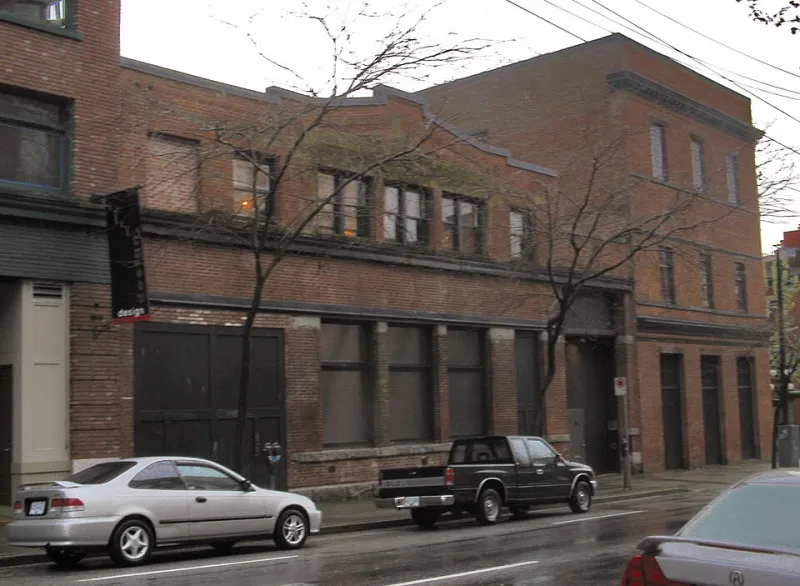
Photo: Hollandassiz, CC0, via Wikimedia Commons
There's a moment that happens in every small room in America, usually around 2 a.m. The DJ throws on something local — an unsigned act, maybe a friend of a friend who begged for one spin — and the floor reacts. Either the room moves, or it doesn't. No marketing budget. No playlist pitch. Just a crowd giving an honest answer.
The people getting paid to read that room are DJs. And increasingly, they're the ones holding the pen when the deals get done.
The Booth Sees Everything
A label scout shows up to a show maybe twice. A resident DJ stands in the same room every weekend, watching which songs pull people back to the floor and which ones send them to the bar. That's data no streaming dashboard can replicate — raw, physical, repeated proof of what actually connects.
It's why the pipeline from booth to boardroom keeps widening. A DJ who's been spinning a city's open mics for three years knows the scene better than any analytics subscription. They know who packs a basement on a Tuesday. They know which rapper's buzz is real and which one's a cousin renting out the venue.
Three Paths From the Turntable
The archetype isn't hypothetical. Look around the industry and you'll find the same story on repeat, with different names attached.
The hometown gatekeeper. This is the DJ who built a residency into an institution — the night artists rearrange their schedules to perform at. When they eventually take an A&R role, they're not guessing about their market. They are the market. Their signature on a signing carries the weight of every artist who ever grinded for a slot at their night.
** the tour convert.** This DJ came up on the road, spinning for a touring act and catching opening sets in thirty different cities. They've seen what translates across regions and what dies at the city limits. Labels love them because they can spot a sound with legs — the kind of act that plays Denver and St. Louis on the same run and kills both rooms.
The producer-DJ hybrid. Half beat-maker, half curator. They've been emailing artists beats for years before anyone offered them a label job, so their signing pipeline was already warm. When they make the jump, they're not discovering talent — they're promoting people they've been in the group chat with since 2019.
Why Credibility Doesn't Come With an MBA
Here's the uncomfortable truth for the business-school crowd: artists don't care about your market analysis. They care whether you were there.
A DJ-turned-executive brings receipts a suit never can. They were in the building when the artist performed to eleven people. They played the record before it had artwork. That history is a form of trust, and trust is the only currency that matters when a 22-year-old from a rough block is deciding who to sign their life away to.
There's also the taste factor. DJs develop a reflex for what hits — trained night after night, crowd after crowd. You can't teach it in a conference room. You can only earn it in the booth.
The Conflict Nobody Posts About
It's not all clean. When your friend is your signee and your DJ brother produced the single, the lines blur fast. The independent scene runs on relationships, but labels run on contracts — and the DJs climbing the ladder are learning the hard way that loyalty and paperwork don't always fit in the same room.
The smart ones are upfront about it. Splits in writing. Roles defined before the money moves. The same handshake-culture instincts that got them respected in the booth can sink them in the boardroom if they don't adapt.
The Booth Isn't Going Anywhere
If anything, the pipeline is accelerating. Independent labels are smaller and leaner, which means they need people who can scout, produce, promote, and pull a crowd — sometimes all in the same week. That's a DJ's entire job description with a different title on the email signature.
So the next time you're in a packed room and the DJ runs that unknown record back-to-back, pay attention. Somebody's listening. And there's a decent chance that somebody is about to sign the person standing on the stage.
The boardroom just doesn't know it yet.