The People at the Door Knew First: Inside the Street-Level Scouting Network Labels Won't Admit They Use
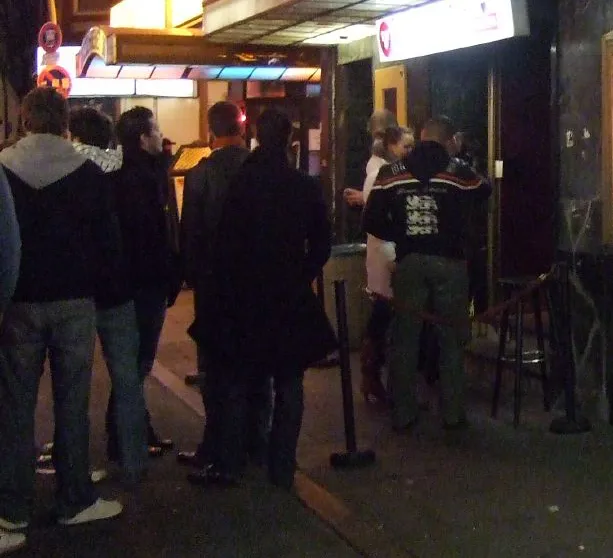
Photo: rstoker, Public domain, via Wikimedia Commons
Every scene has a spreadsheet nobody talks about. It's not on a laptop. It lives in the heads of the dude checking IDs at the door, the host working the mic between open-mic sets, and the cousin running the merch table with a Cash App sign taped to the folding chair.
They don't have job titles. They have information. And if you're paying attention, that information is worth more than any analytics dashboard money can buy.
The Bouncer Is the Focus Group
Think about what a club doorman actually sees. Not the performance — the aftermath. Who rolled twenty deep. Who left with zero. Whose crowd started a near-riot over a missed verse and whose crowd stood there checking their phones.
A veteran door guy in Atlanta put it to us like this: "I've watched rappers bring out forty people on a Tuesday and I've watched signed artists pull eight. Guess which one I'm remembering when the label calls the venue asking who's hot."
Venue staff keep mental ledgers that stretch back years. Promoters call them. Booking agents call them. And increasingly, A&Rs who got tired of being pitched the same algorithm darlings call them too. Security sees demand in its rawest form — bodies, energy, repeat customers — with none of the inflated streaming numbers or bot followers clouding the picture.
Open-Mic Hosts: The Original A&Rs
Every city has that one host. The one who's seen a thousand first-timers and can tell within sixteen bars whether somebody has it or doesn't.
These hosts are sitting on the deepest talent pipeline in America. They watch artists evolve week to week. They notice when the shy kid from the Bronx comes back with new confidence. They see which performer made the bartender stop wiping glasses and listen.
And here's the part most people miss: hosts talk to each other. A host in Houston will text a host in Dallas about a rapper who drove three hours to touch their stage. That relay system — informal, unpaid, built entirely on respect — has moved more careers than a stack of label meetings.
Several artists who'd go on to major deals got their first real endorsement not from an executive but from an open-mic host who wouldn't stop mentioning their name to anyone booking shows in the region.
The Merch Table Doesn't Lie
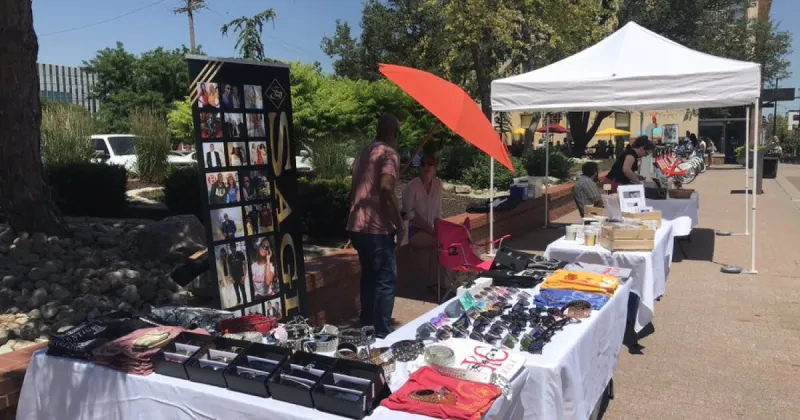
Streaming numbers can be massaged. Social media can be bought. But a $30 hoodie is a financial transaction between a fan and their actual enthusiasm.
Merch vendors — often the artist's cousin, sometimes a hired hand working a percentage — have the cleanest data in the business. They know that the rapper with 40,000 monthly listeners sold nine shirts, while the one with 4,000 listeners sold out in twenty minutes and had people asking for sizes that weren't in stock.
Touring acts learn this fast. Venue operators know it too. When a merch table gets mobbed before the set even ends, that's not a vibe — that's a revenue report. Some managers now ask venues for merch sales numbers the way they used to ask for door counts. The table has become a due diligence document.
How the Intel Travels Up
Here's the unofficial chain: the door guy tells the promoter. The promoter tells the booking agent. The agent mentions it to a manager. The manager plays a track for an A&R who's already heard the name twice this month from two different directions.
By the time a label comes sniffing around, the ground-level verdict has already been rendered — multiple times, by people with nothing to gain. That's what makes it credible. A bouncer doesn't care about your streaming deal. The host doesn't care about your playlisting. Their word carries weight precisely because they have no incentive to lie.
What Artists Should Actually Take From This
If you're coming up right now, understand this: your most important early fans might not be fans at all. They're the staff. Treat the door guy with respect. Make the host remember your name for the right reasons. Have your merch game organized enough that the person selling it isn't embarrassed.
Because the algorithm will find you eventually — or it won't. But the people at the door know right now. And in every city in this country, they're talking.