Owed to the Crowd: What Happens When the Fans Fund the Album
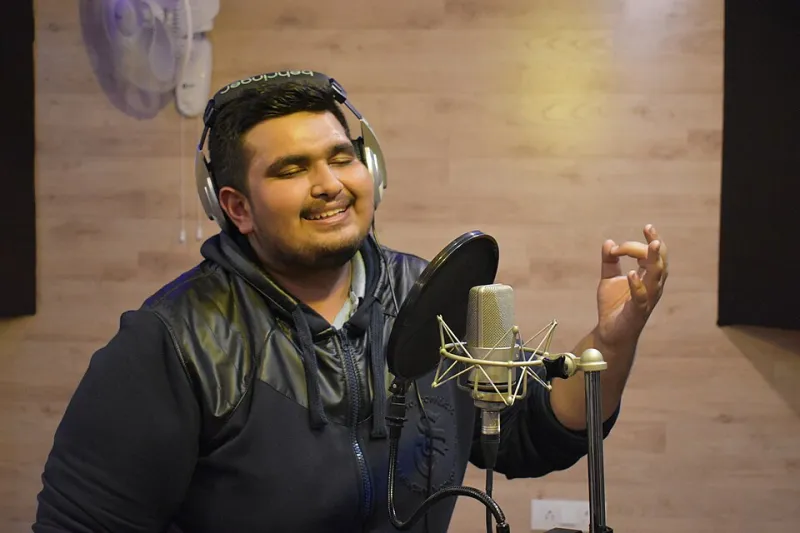
Photo: Wikiwaalabro, CC BY-SA 4.0, via Wikimedia Commons
There's a certain kind of freedom in owing nobody.
No label exec texting about single placement. No advance hanging over your head like a mortgage. In secondary cities across America — places the industry flyovers on its way to somewhere else — a quiet funding revolution is happening. Artists are building albums on the backs of their own communities, one $25 pledge at a time.
And it's working. Mostly.
The Cities the A&R Reps Skip
Memphis has always had a sound. Tulsa has a scene. Albany has a grind. What these markets haven't historically had is access — to capital, to connections, to the conference-room meetings where budgets get approved.
Crowdfunding flipped that access problem on its head. When your fans are your investors, geography stops mattering. A rapper in Tulsa with 400 true believers can raise what a label would've needed six months of meetings to greenlight.
The appeal is obvious: keep the masters, keep the control, keep the relationship direct. No recouping. No 360 clause. Just a community betting on its own.
Three Campaigns, Three Lessons
The Memphis blueprint. A soul-rap act out of South Memphis ran a 30-day campaign for a full-length, leaning heavily on local pride — limited pressings with neighborhood artwork, a listening session for top-tier backers. They cleared their goal in 19 days. The lesson: local identity sells harder than any pitch deck.
The Tulsa patience play. A Tulsa collective stretched their campaign across two months, drip-feeding studio footage and unreleased snippets weekly. Slower build, deeper buy-in. By the end, backers weren't just funders — they were evangelists, sharing the campaign like it was their own release.
The Albany reality check. An Albany lyricist hit his goal, then learned the hard part: delivery. Manufacturing delays, missed update deadlines, and a restless backer base turned a victory lap into a masterclass in accountability. The album dropped. It was good. But the goodwill took a hit that no streaming number could repair.
The Crowd Is a Boss With Ten Thousand Eyes
Here's the uncomfortable part nobody puts in the campaign video: when fans fund your album, they develop opinions. Strong ones.
An advance comes with a label's expectations. A crowdfunding campaign comes with a thousand people who feel like stakeholders — because they are. Release something that doesn't sound like what they backed? The comments section becomes a board meeting you can't reschedule.
Some artists feel it as creative debt. They second-guess risks, sand down edges, deliver what they think the crowd wants instead of what the art demands. That's the trade-off nobody advertises: you traded a corporate boss for a distributed one.
Worth It? Ask the Masters
The counterargument writes itself though. An artist who funds an album through their community owns that album forever. Every stream, every license, every sync placement — all of it stays in-house. Compare that to recouping an advance for a label that owns the recording in perpetuity.
The bond is real too. Fans who fund a record don't just stream it — they defend it, share it, show up to the release show with receipts. That's not a customer base. That's a foundation.
The model isn't perfect. It demands transparency, hustle, and a stomach for accountability that a traditional deal would've let you dodge. But in America's overlooked cities, it's proving something the industry has been reluctant to admit: the money was always in the room. It just needed to be asked for directly.