Three Seconds to Get Paid: The Snippet Economy Is Running Hip-Hop's New Audition

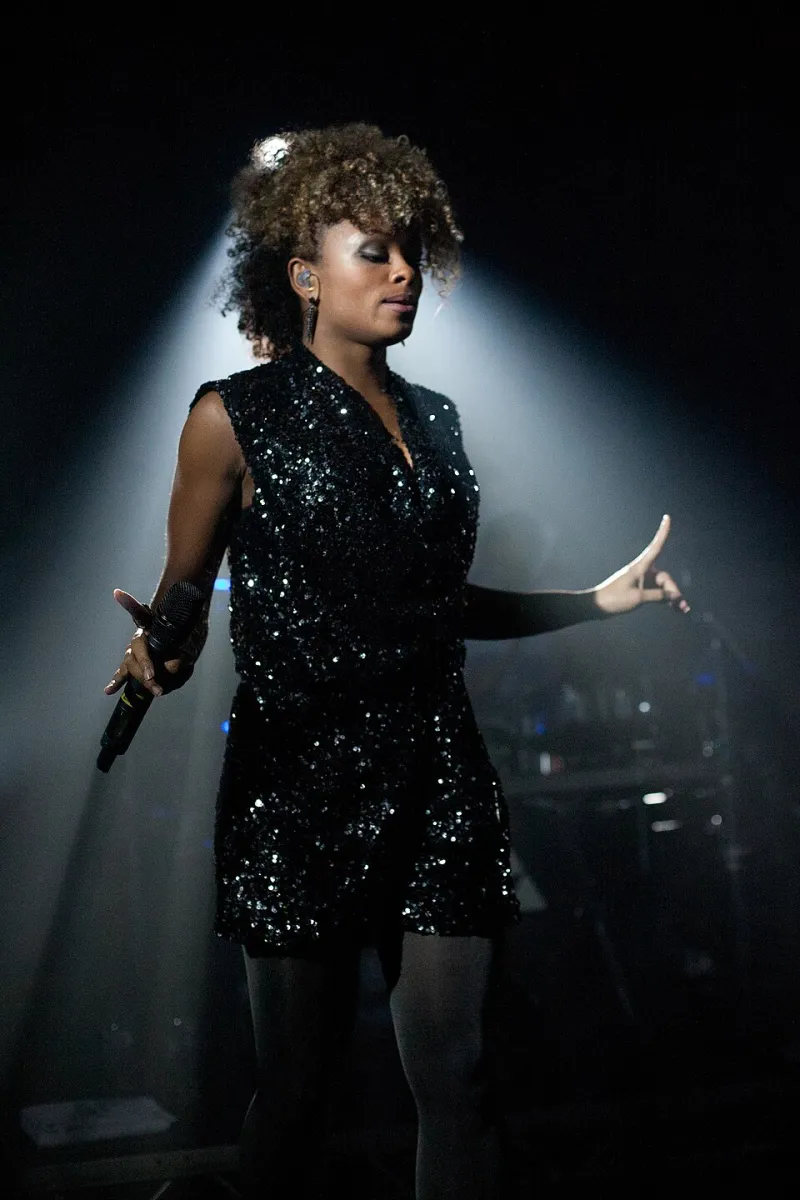
Photo: Odotsheaman, uploaded to the OSM Vision YouTube channel, CC BY 3.0, via Wikimedia Commons
There's a producer in Atlanta who will tell you, dead serious, that the most important studio session of his career lasted eleven seconds. Not a session that produced eleven seconds of music — the whole thing. He played a hook down the phone, the artist said 'that's the one,' and that eleven-second voice memo eventually moved a six-figure catalog.
Welcome to the snippet economy, where the audition got shorter and the stakes got bigger.
The Hook Is the Product Now
For most of rap's history, the song was the thing. You made a full record, shopped it, hoped radio or the blogs bit. Now the song is basically packaging for the snippet — the 10-to-15 second clip that has to survive the scroll. A&R folks we spoke to admit, off the record, that they're not listening to full records when they evaluate new talent. They're watching how a sound performs in a feed.
'I've passed on incredible albums and signed mid songs because the mid song had a moment in it,' one label exec told us. 'The moment is the asset. The song is the delivery mechanism.'
That sounds cynical until you follow the money. A snippet that catches on a short-form video platform can generate more sync-style licensing, more catalog value, and more leverage in a split negotiation than a critically beloved album that never left the timeline.
The Money Nobody Talks About
Here's the part the think pieces skip: snippets get negotiated like real estate now.
Producers with a hot clip in circulation aren't just waiting for streams. They're fielding offers from other artists who want to flip the sound, from brands who want the vibe for a campaign, and from bigger producers who want to buy into the momentum. We watched a beat that went viral off a 12-second clip get leased three different ways in one week — once to a rising rapper, once to a regional ad, and once as a rework for a bigger name.
The artists getting clipped are learning too. One rapper from Memphis told us his management now treats every hook like a negotiation opener: 'If the internet is gonna run my 15 seconds, that 15 seconds better have my name attached, my publishing attached, and a path back to my catalog.'
That last part — the path back — is where careers get made or lost. A snippet that blows up under someone else's video, someone else's sound tag, someone else's edit? That's free labor. A snippet that routes listeners back to your page, your drops, your merch? That's a business.
The Longest Interview in Music History
Which brings us to the uncomfortable truth: the snippet era turned every artist into a permanent auditioner. There's no more 'wait till the project drops.' The evaluation never stops. Every post is an A&R session, every hook a tryout, and the judges are 14-year-olds with editing apps and a playlist curator in a group chat somewhere.
The artists thriving under that pressure share a few habits. They front-load the hook — no 45-second intros, ever. They keep a bench of unreleased moments ready to deploy when a sound starts cooling. And they negotiate the clip separately from the song, because in this market, they're two different products.
The producer with the eleven-second voice memo put it best: 'My grandfather played the chitlin circuit for years to get heard. I play a phone for eleven seconds. Same grind, worse acoustics, better margins.'
Fifteen seconds isn't a gimmick anymore. It's the shortest job interview in entertainment — and the people who learn to negotiate it are the ones holding the masters when the dust settles.