After Hours, No License: How IG Live Became the Pirate Radio Hip-Hop Didn't Know It Needed
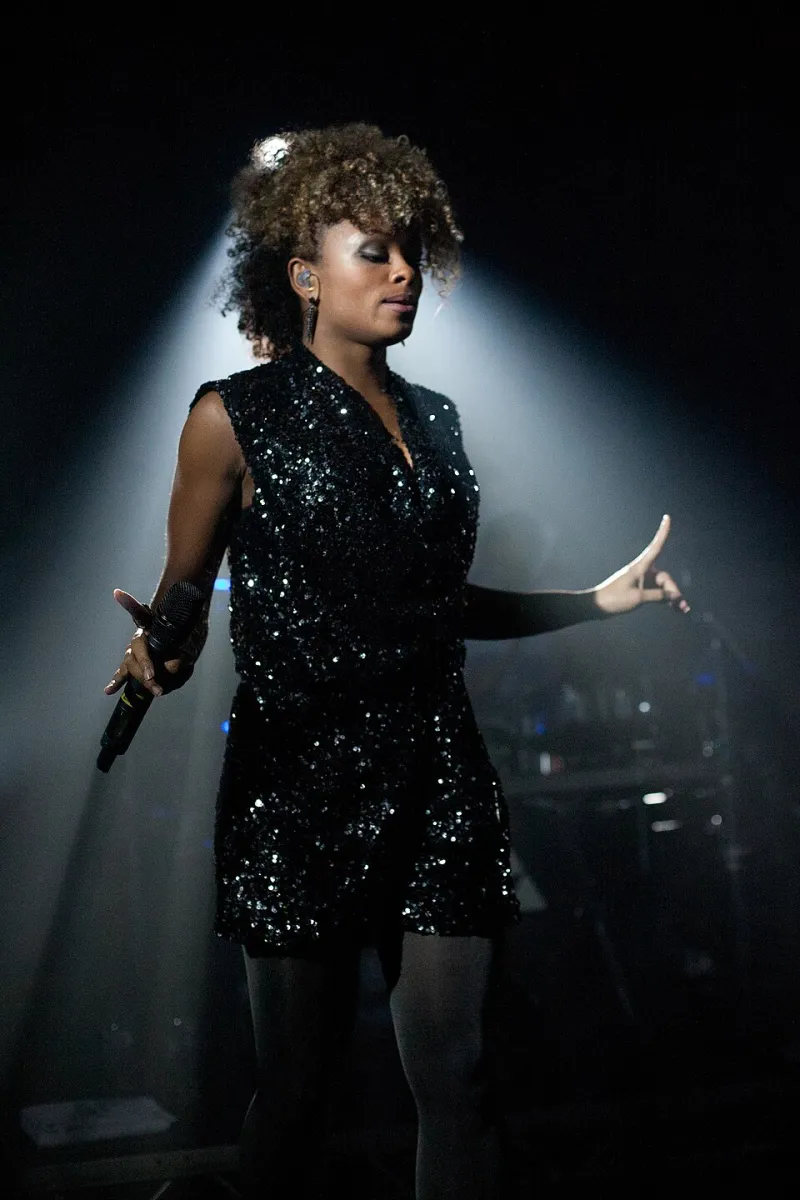
Photo: TheArches from Scotland, CC BY 2.0, via Wikimedia Commons
There's a room that opens every night around midnight. No address, no FCC license, no playlist committee sitting around a table deciding what America gets to hear. Just a DJ, a ring light, a comment section moving faster than anyone can read, and thousands of people locked in watching an Instagram Live feed that looks — honestly — kind of janky.
And it might be the most powerful radio in hip-hop right now.
The Ghost of Pirate Radio, Reborn in a Comment Section
If you grew up anywhere near a big city in the '80s or '90s, you know the archetype. The pirate station broadcasting out of a tenement rooftop, the mix show that played what commercial radio wouldn't touch, the DJ who broke records before the labels even knew the records existed. That energy never died. It just went looking for a new transmitter.
It found one in everybody's pocket.
The modern version looks like this: a DJ with a modest setup — laptop, controller, maybe a mic that cost $80 — goes live once or twice a week, usually between 11 PM and 3 AM. No setlist posted. No label reps in the room. Just a rotation of underground tracks, many from artists with no distribution deal, no publicist, no co-sign from anybody. The audience shows up on purpose. That last part matters more than anything else in this whole equation.
Why the After-Hours Slot Wins
Traditional radio fights for drive time because that's when the masses are captive. The IG Live after-hours circuit works on the opposite logic. The people watching at 1 AM aren't captive — they're committed. They came looking for something they haven't heard yet, and they're typing, sharing, screenshotting, and Shazam-ing in real time.
The engagement numbers tell the story. A mid-tier after-hours showcase might pull 2,000 to 5,000 concurrent viewers — small by broadcast standards, enormous by attention standards. Compare that to a commercial spin heard by 100,000 distracted commuters who forget the song before the parking lot. The stream audience is smaller and infinitely deeper. When a track hits in that room, viewers clip it, repost it, and by morning the song has a fanbase it didn't have at dinner time.
That's not reach. That's conversion.
The Rooms That Run the Culture
A loose network of collectives and independent DJs now operates these digital listening rooms like a shadow chart. Some run weekly artist showcases where rappers submit tracks and the chat votes in real time. Others are straight DJ sets — no guests, no interviews, just the music and the scroll of reactions. The biggest rooms have developed their own reputations: this one breaks melodic street records, that one is where the sample-heavy boom-bap crowd lives, another one has become famous for premiering a track and watching the comment section either crown it or bury it within ninety seconds.
What they share is a business model that would've been unthinkable a decade ago. No license fees. No clearing house. No gatekeeper between the DJ's taste and the audience's ears. The 'barrier to entry' is a phone and a following — and the following is earned, not bought.
Getting the Spin That Actually Converts
So how does an unsigned artist get into rotation? Talk to the DJs running these rooms and you'll hear a consistent answer: they're not looking for the best song, they're looking for the song their room will react to. That changes what you submit.
- Lead with the moment, not the verse. These rooms react in seconds. If your track doesn't have a hook or a moment inside the first thirty seconds, the chat has already moved on.
- Respect the room's identity. Every established showcase has a sound. Blasting your trap record to a room built on drill is a wasted email.
- Show up before you submit. The artists who get spun repeatedly are the ones already in the comments, supporting the room. The DJ recognizes the name. That's not payola — that's community, and it's been the price of admission since the days of handing your cassette to the campus radio DJ.
- Have the link ready. When a spin converts, it converts fast. If viewers can't find your track on streaming within a minute of hearing it, the moment dies. Distribution has to be live before the spin, not after.
The Gatekeeper Nobody Voted For
Here's the tension worth watching. These rooms started as pure open doors — anyone could get heard. But as the biggest showcases have grown, they've become de facto gatekeepers themselves. A co-sign from the right after-hours DJ can tilt a song's trajectory the same way a Hot 97 spin did in 2003. The power didn't disappear. It just put on a hoodie and went live.
The difference, and it's a real one, is speed and accountability. A playlist committee answers to a corporation. An IG Live DJ answers to a comment section that will turn on them by morning if the music stops being honest. That feedback loop is brutal, immediate, and — for now — the closest thing the culture has to a democratic A&R department.
Where This Goes Next
Expect the formalization to keep creeping in. Some of the bigger rooms are already experimenting with sponsorships, ticketed virtual listening events, and artist submission fees. Purists will groan, but honestly, a DJ who's curating six hours a week deserves to eat. The thing to watch isn't whether these rooms monetize — it's whether they keep their ear. The moment the spin list starts looking like a label's release calendar, the audience will smell it and migrate to whoever's next.
Until then, the after-hours circuit keeps doing what pirate radio always did: playing the records nobody in a suit believes in yet, to a room full of people who'll swear they heard it first.
Because they did.