Handshake Splits: The Publishing Mess No One in the Group Chat Wants to Talk About

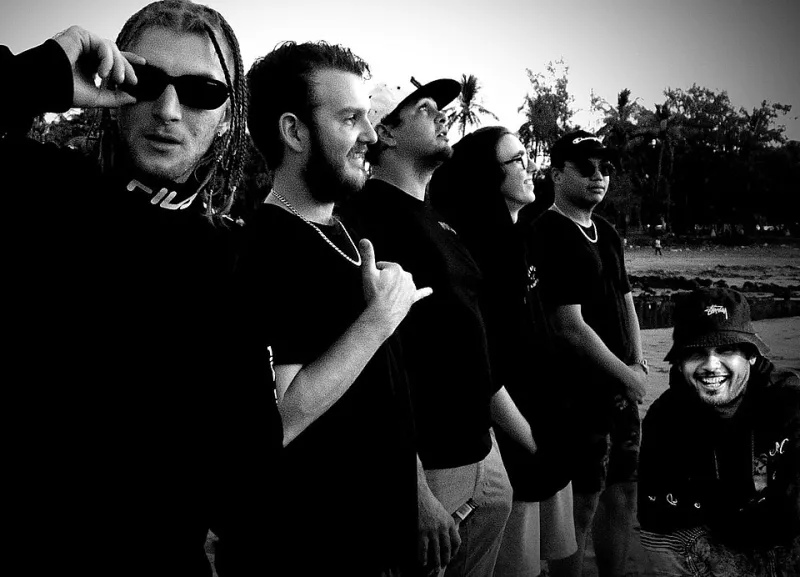
Photo: Ben Dover, CC BY-SA 2.0, via Wikimedia Commons
Every crew has that one moment. The beat gets placed, the sync check hits, and suddenly six people who've been calling themselves a collective are having a very different conversation about who wrote what.
Nobody warned them because nobody with a law degree was in the room when the song got made. That's the reality of DIY distribution in 2024 — a landscape where unsigned artists are moving like labels, splitting publishing like partnerships, and doing most of it with nothing but a text thread and trust.
The Verbal Deal Is Still the Default Deal
Ask around at any open mic from Atlanta to Oakland and you'll hear versions of the same setup: "We all eat off whatever we make." It sounds like solidarity. Legally, it's a ghost.
Publishing doesn't care about vibes. It cares about writer shares, publisher shares, PRO registrations, and split sheets. When none of that exists, the default under copyright law in most cases is that each writer owns their contribution — but good luck proving what that contribution was two years later when a verse got rewritten at 3 a.m. and nobody remembers who brought the hook.
The digital era made this worse, not better. Streaming royalties, YouTube Content ID, TikTok's music library, sync placements from indie films — the money comes in smaller amounts, from more places, more often. Every one of those micro-payments needs a destination. If the destination was never written down, that's where the drama starts.
When It Goes Wrong: The Crew That Froze Out Their Producer
Take a composite story that plays out constantly: a five-man rap group out of the Midwest lands a sync in a Netflix-adjacent streaming series. The check is real — mid five figures. The producer, who made the beat on a laptop in his mom's basement and never got registered as a writer on the split sheet (because there was no split sheet), finds out from an Instagram post.
His recourse? Filing a dispute with the PRO, which freezes the royalty account for everyone. Now the whole crew's money is locked in limbo while people who used to carpool to shows together are sending screenshots to entertainment lawyers charging $400 an hour.
The kicker: the fee to have drafted a proper agreement at the start would've been a couple hundred bucks. Maybe less. Some services will do it for free.
When It Goes Right: Structure Without Selling Out
It doesn't have to end that way. A handful of collectives have shown what a smarter version looks like — no label, no lawyers on retainer, just actual documentation.
Some crews operate like mini-entities: they file an LLC, register every track with full writer and publisher splits before release day, and treat the paperwork like part of the mixing process. Others use free split-sheet templates that circulate in producer Discord servers — not fancy, but binding enough to keep everyone honest.
The smartest move we've seen? A Detroit collective that holds a monthly "paperwork night." Beats, food, laptops. Everyone updates their registrations, checks their streaming dashboards, and confirms splits on anything new. It takes two hours and it's turned what's usually a friendship-ending landmine into a routine.
The Distribution Layer Makes It Messier
Here's where it gets technical. When a crew uploads through a DIY distributor, the payee on the account controls the money. One person's name on the direct deposit means one person technically holding every dollar the catalog generates.
We've watched collectives implode over exactly this. The guy who set up the DistroKid account in 2019 is now the de facto treasurer of a business nobody formally agreed he'd run. If he's slow with payouts, or worse, if he catches a case or disappears, the whole catalog's income is hostage to one person's bank account.
The fix is boring but real: name the LLC as the payee, not an individual. Set a payout schedule in writing. Have a second person with account access. None of that requires a label or a lawyer — just the same energy you'd put into protecting a chain.
What the Pros Know That the Streets Are Learning
Veteran industry people have a saying: splits are the first fight and paperwork is the last resort. The crews that last aren't the ones who avoid the conversation — they're the ones who have it early, while everyone's still broke and still friends.
The independent movement has already proven artists can own their masters, run their own distribution, and build real audiences without a co-sign. The next frontier isn't creative. It's administrative. The crews that treat publishing splits with the same seriousness as studio time are the ones who'll still be standing when the sync check finally comes.
The game doesn't respect handshake deals. It respects paper. Get some.