RIP the Mixtape Run: Where Underground Respect Actually Gets Cashed In Now

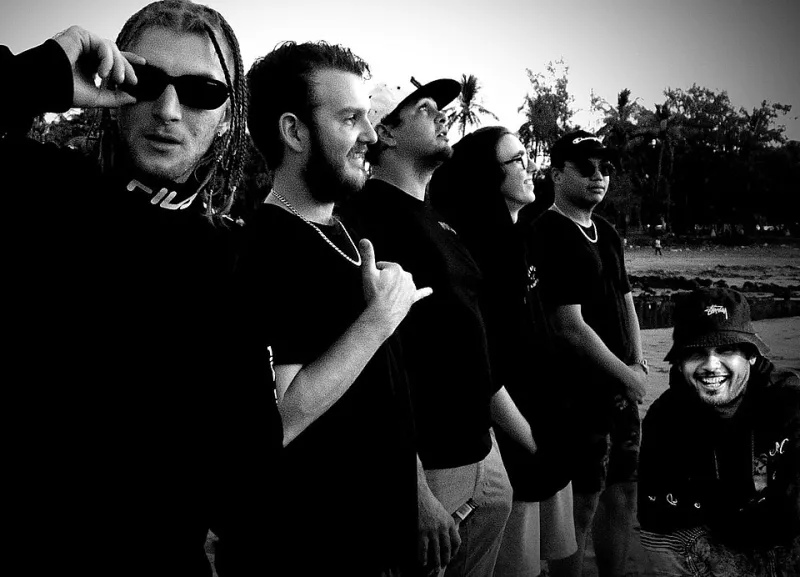
Photo: Khashtane, CC0, via Wikimedia Commons
Let's be honest about something the industry keeps pretending not to notice: the mixtape as a credibility machine is done. Not wounded. Done.
For roughly three decades, the mixtape was the underground's currency. You pressed up a thousand copies, hit the barbershops and the swap meets, got your tape onto the corner or into the hands of a DJ, and waited to see if the streets co-signed. It was slow, physical, and ruthlessly honest. Either people were bumping your tape or they were using it as a coaster.
That proving ground is gone. What replaced it is messier, faster, and — depending on who you ask — either the most democratic era in hip-hop history or a credibility crisis with better production values.
The Playlist Replaced the Street Team
Here's the uncomfortable truth: getting placed on the right playlist in 2025 functions almost exactly like getting your tape into the right DJ's car did in 2003. It's a signal. It says somebody outside your circle vouches for you.
The difference is scale and anonymity. A DJ co-sign came with a face and a reputation. A playlist placement comes with an algorithm and 400 other songs. The vouch is weaker, but the reach is wider — and that trade-off defines everything about how credibility works now.
The artists winning at this treat playlists as distribution, not validation. They understand that a placement gets you a listen; it doesn't get you a fan. The fan conversion still has to happen the old way: a song good enough to search for, an artist interesting enough to follow.
Freestyle Videos Are the New Cipher
Every generation has its format for proving you can actually rap. The block cipher became the radio freestyle, the radio freestyle became the mixtape track, and now it's the 60-second freestyle video — shot in the whip, on the corner, outside the studio, wherever the light hits right.
And honestly? This might be the most honest format yet. You can't hide behind a hook or a feature when it's one take, one beat, and your name in the caption. The comments section does what the barbershop used to do — a raw, immediate, unforgiving verdict on whether you've got it.
The risk is that the format rewards punchlines over substance. A killer 45 seconds doesn't tell you if somebody can carry a project. But that was always true of the cipher too. Formats don't create shallow eras; shortcuts do.
Snippet Culture Broke the Gate — Both Directions
The 15-second snippet might be the single biggest shift in how underground talent gets validated. An unreleased idea can now generate more demand than a finished single once did, and artists are building entire careers off songs that don't formally exist yet.
For the unsigned artist, this is leverage previous generations never had. You can prove demand before you prove supply. You can walk into a negotiation — with a label, a distributor, a booking agent — holding receipts in the form of a million views on a voice memo.
But there's a tax. Snippet culture rewards the idea of a song over its execution, and it trains audiences to consume fragments. Plenty of artists have learned the hard way that a viral moment is not a fanbase. The snippet gets you heard; only the catalog keeps you here.
What This Means If You're Coming Up
If you're trying to earn respect without an industry co-sign, the playbook looks like this:
- Treat every format as a test, not a trophy. Playlist placements, freestyle videos, snippets — each one is a shot at converting a stranger into a fan. None of them, alone, is a career.
- Build a catalog behind the viral moment. The artists who survive snippet fame are the ones who had eight more songs ready when the views hit.
- Remember that credibility is still local. Algorithms don't come to your shows. The scene you build in your city — the rooms, the collabs, the people who vouch for you in person — still carries more weight than any number on a screen when the right people are paying attention.
The Verdict
The mixtape run deserved a better ending than it got, but nostalgia is a bad business strategy. The tools changed; the test didn't. Can you rap? Do people care? Will they show up when it counts?
The corner used to answer those questions. Now it's the comment section, the playlist, the freestyle clip. Same verdict, faster delivery.
The artists who get that — who treat the new proving grounds with the same seriousness the old heads treated a hot tape — are the ones the industry will eventually have to call. And by then, they'll be negotiating from strength.