Pooling the Masters: Why the Artist Collective Is the New Record Deal
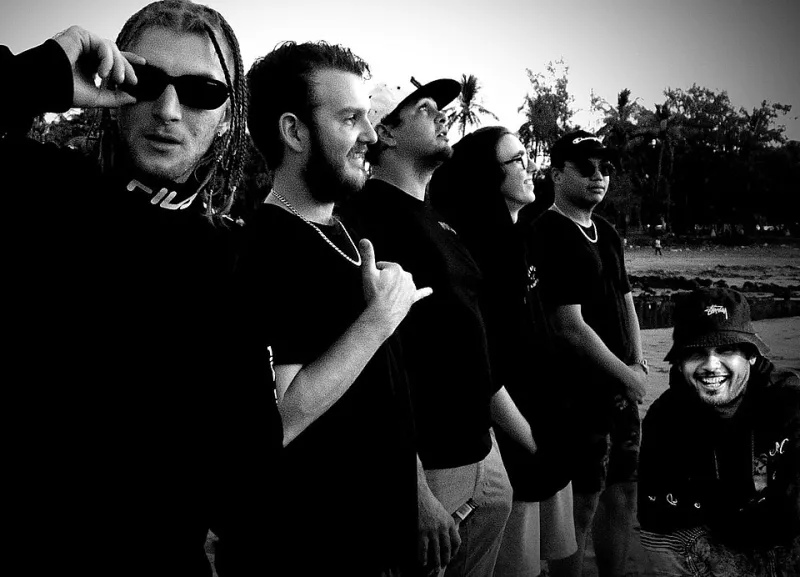
Photo: SeaningM, CC BY-SA 4.0, via Wikimedia Commons
There's a quiet revolution happening in hip-hop's back offices, and it doesn't involve A&R reps or corner-office meetings. Across the country, artists are doing something the industry spent decades telling them was impossible: they're building businesses together, keeping their masters, and cutting the middleman out entirely.
Call them collectives, call them crews, call them — as we do around here — cartels of collaborators. The structure varies, but the principle doesn't: shared resources, shared risk, shared upside. And increasingly, it's beating the traditional record deal at its own game.
How the Model Actually Works
At its core, a collective is a resource pool. One member might have a producer with a stockpile of beats; another has an engineer with a studio; a third knows how to run ads and negotiate playlist placements. Instead of each artist paying out of pocket for services, the collective trades internally and splits the costs of shared infrastructure — studio time, videographers, tour vans, legal retainers.
The financial logic is straightforward. A solo artist signing a typical deal might hand over 80% of their master royalties and most of their publishing. A five-person collective splitting costs five ways keeps 100% of ownership while spending a fraction of what a solo act would on production. The math gets even better when one member's breakout funds the whole roster's next cycle.
The Revenue Streams They're Actually Negotiating
The smartest collectives treat streaming as a volume game rather than a lottery. With shared producers, a single beat can appear across multiple members' catalogs, multiplying sync and streaming potential from one session. When one artist's track lands a sync placement in a show or a commercial, the whole collective benefits — and because they own the masters outright, there's no label taking a cut before the check splits.
Touring is where the model really shines. Collectives book package tours — three or four roster acts on one bill — which fills venues larger than any solo member could draw alone, while splitting fuel, lodging, and crew costs. Merch operations get consolidated too, with one vendor, one fulfillment setup, and margins that would make a label distribution deal blush.
What the Founders Are Saying
We spoke with founders of several independent collectives operating right now, and the sentiment is remarkably consistent. One founder from a Midwest-based crew told us the turning point was realizing that "a label's only real product was connections — and the internet killed that monopoly. We can find a videographer, a distributor, and a playlist curator on our phones. What we can't replace is each other."
Another founder, running a five-artist collective out of Atlanta, described their structure as closer to a production company than a label: "Nobody's signed to anybody. We have an operating agreement, we vote on major spending, and every artist owns their own masters. The collective just takes a small percentage on shared services. If somebody blows up, they don't have to escape a contract — they graduate, and they keep contributing."
The legal groundwork matters, though. Founders we spoke with all stressed the same advice: get an entertainment lawyer to draft a proper operating agreement before money flows. Handshake deals between friends are how collectives die.
Opinion: This Is the Future, and the Numbers Agree
Here's our take, plain and simple: the collective model isn't a trend — it's a correction. The traditional record deal existed because capital, distribution, and connections were scarce. None of those things are scarce anymore. Distribution is a flat monthly fee. Marketing is a content strategy. What remains genuinely scarce is trust, creative chemistry, and labor you don't have to pay upfront — and that's exactly what a collective provides.
The history books back this up. Odd Future, Griselda, and A$AP Mob all started as friend groups pooling resources before becoming cultural institutions. The difference today is that collectives no longer need to graduate into traditional label structures to scale. Distribution deals are a la carte now. Ownership can stay in-house forever.
For a generation of artists raised on gig economies and side hustles, pooling resources with your people isn't a compromise — it's the default. The traditional deal asks artists to trade their most valuable asset, ownership, for services they can increasingly buy themselves. The collective asks something harder but healthier: build with your people, split the work, split the upside.
The majors will adapt, as they always do, by trying to sign entire collectives as units. But the cat is out of the bag. The next era of hip-hop's independent economy won't be built in label conference rooms. It'll be built in shared studios, group chats, and operating agreements — one collective at a time.