Fried Dough and A&R: The Summer Festival Circuit Where Next Year's Hits Get Tested First
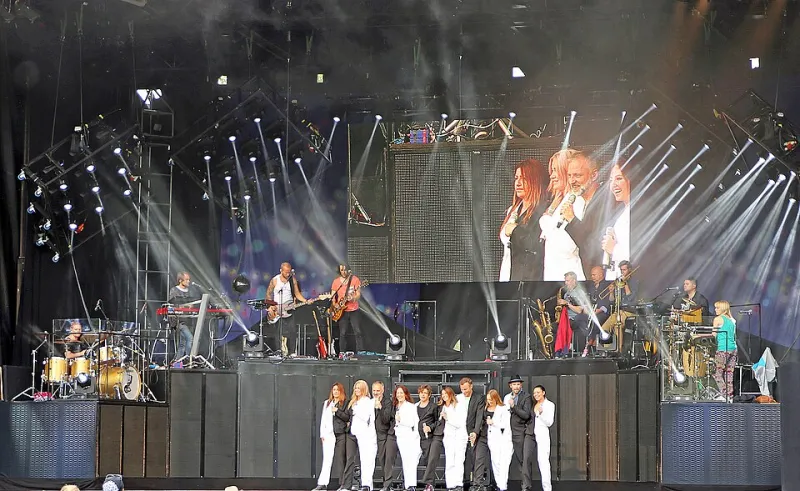
Photo: W. Bulach, CC BY-SA 4.0, via Wikimedia Commons
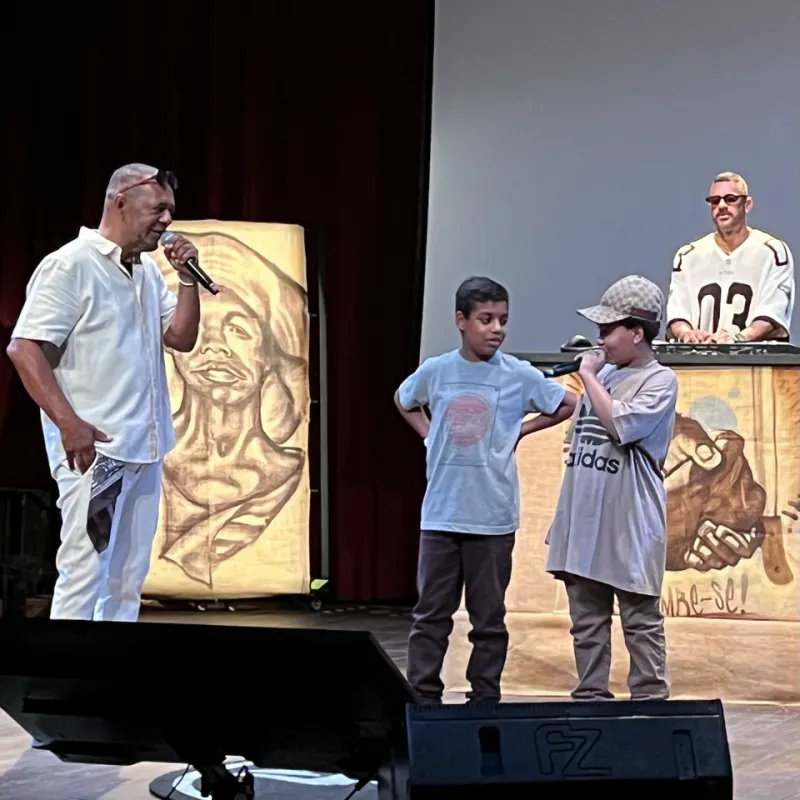
The stage is a flatbed trailer. The monitor situation is one speaker, angled wrong. The crowd is maybe 300 deep, half of them in line for cheesesteaks, and the MC just went up with no intro, no DJ hype man, no nothing.
And here's the thing: within ninety seconds, you know everything.
Welcome to the block party A&R department — the summer circuit of city-sponsored festivals, food truck rallies, Juneteenth celebrations, and neighborhood block parties that's quietly become the most honest proving ground in hip-hop. No streaming numbers to fake. No bot-farmed follower counts. Just a crowd, a beat, and a decision.
The Crowd Doesn't Stream Fake Numbers
Streaming analytics can tell you someone got 40,000 plays last month. What it can't tell you is whether 40,000 people cared. A parking lot full of people who stop mid-chicken-wings to turn toward the stage? That's data no dashboard replicates.
Promoters figured this out years before the labels did. In most mid-size American cities — think Richmond, Columbus, Albuquerque, Grand Rapids — the municipal events calendar is now packed with summer festivals that book local hip-hop acts alongside cover bands and gospel choirs. Some of it's genuine community investment. Some of it's a checkbox. Either way, the result is the same: emerging artists get live reps in front of neutral crowds every single weekend from June through September.
And those crowds are brutal in the best way. A festival audience didn't buy a ticket to see you. They didn't click your link. They owe you nothing. If you can pull a food truck line toward a flatbed stage, you've passed a test that no playlist placement can buy.
One City, One Summer: The Circuit Nobody Markets
Spend a summer following a single mid-size market's festival circuit and a pattern emerges fast. The same twenty or thirty names keep showing up — sometimes on the same bill, sometimes split across competing events. Promoters talk to each other. Vendors talk to everybody. And the crowd's behavior gets reported back to the booking committees before the artist has even loaded their gear back into the whip.
The informal scouting system works like this: a promoter books an artist for a 25-minute afternoon slot. If the crowd leans in, the artist moves up the bill next event. If they clear a slot opposite the headline act and still draw a circle of onlookers, they get the evening slot. By August, the pecking order for next summer is basically set — and the artists who moved up did it on pure presence.
Vendors are the secret intelligence arm of the whole operation. The rib tip guy has worked forty events a summer for a decade. He's seen who pulls crowds and who clears them. When booking committees ask around, his opinion carries more weight than any press kit.
Why the Majors Keep Showing Up Late
Here's the uncomfortable part for the industry: by the time a major label A&R catches wind of a regional festival favorite, the artist has usually already been through two or three summers of this gauntlet. They've learned crowd control, set construction, how to win over strangers. They've built a local fanbase that shows up in person — which is why, when the streaming numbers finally pop, they pop with real fans attached.
Labels then sign the artist and celebrate the discovery, but the discovery happened two county fairs ago. The block party circuit functions as a free, years-long artist development program that the industry outsourced to city parks departments and community organizers.
Smart independent operators have noticed. Booking agents now trawl municipal festival lineups the way old-school scouts used to trawl open mics. A few regional promoters have even started charging labels for "market intel" — essentially selling the summer's worth of crowd observations as a curated report.
What the Rest of Us Should Watch
If you're a fan, your city's free summer festival lineup is a cheat code. The 4 PM slot at the July community day is where next year's charts are getting stress-tested right now, in front of people eating funnel cake.
If you're an artist, treat these slots like the auditions they are. Twenty-five minutes, no excuses, crowd of strangers. That's the purest test the industry has left.
The flatbed stage isn't glamorous. The sound is rough, the sets are short, and the pay is often a plate of food and gas money. But it's the last venue in America where the only metric that matters is whether people stop walking. And hip-hop has always been a culture that decides things in person first.
The charts just find out later.