Fifty Bucks and a Handshake Emoji: The Beat Lease Boom That's Writing Next Decade's Lawsuits

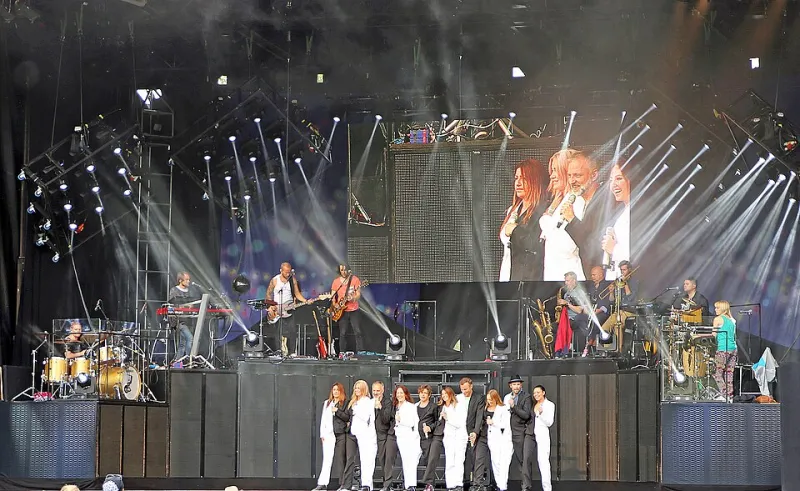
Photo: Shiju Abraham Music, CC BY 4.0, via Wikimedia Commons
Somewhere in America tonight, a rapper is about to change their life over a beat they bought for less than the price of a decent dinner. They found it on a marketplace, previewed it next to two hundred near-identical typebeats, sent the money, got the files, and started recording. No lawyer. No contract review. No real conversation with the person whose name will share their credits forever.
Welcome to the lease economy — the biggest shift in how hip-hop gets made since the laptop replaced the studio, and quite possibly the setup for the messiest wave of publishing disputes the genre has ever seen.
What a Lease Actually Is (And What Artists Think It Is)
The concept sounds simple. A producer uploads a beat, sets a lease price — usually $30 to $150 — and the buyer gets permission to record over it and release the result, often with a cap on streams or sales. Hit the cap, and you're supposed to upgrade to a bigger license or an exclusive.
Here's the problem, according to folks who've seen the fallout up close: most artists don't read what they're buying.
"I've had clients genuinely believe they owned the beat," one entertainment attorney who works with independent rap artists told us. "They paid money, they got files, so in their head it's theirs. Then the label's legal team pulls the license agreement and finds out the artist has been sitting on a restricted lease for a song that's now doing a million streams a week."
The license terms aren't exotic, either. Many standard leases restrict radio play, limit the number of music videos, or forbid monetized performances. Every one of those clauses is a landmine once a song outgrows SoundCloud.
When the Typebeat Becomes the Hit
The nightmare scenario isn't hypothetical. The industry has already watched leased beats end up on charting records, and every time it does, the same chain reaction starts. The producer realizes their beat is on a hit and their lease price was a rounding error. The artist realizes they don't own the master the way they assumed. The label realizes the paperwork is a patchwork of marketplace receipts and PayPal screenshots.
Producers we spoke to are split on whether the system is exploitative or the best thing that ever happened to them.
One producer who's been selling leases since the MySpace days put it bluntly: "Before leases, nobody was paying me anything. Now I've got a catalog making rent every month off songs nobody's heard of. But when one of those beats pops off? I'm underpaid and I know it. That's the trade."
Another framed it differently: "The exclusive is where the real money's at, and the exclusives are getting cheaper. Artists think $500 is an exclusive now. Ten years ago that was a beat lease."
The Group Chat Deal
What's accelerating the chaos is where the business is actually happening: DMs and group chats. A whole generation of collabs gets negotiated in text — voice memos instead of contracts, a thumbs-up emoji instead of a signature, a Cash App payment with no memo.
When it works, it's beautiful. Fast, cheap, no gatekeepers. When it doesn't, there's nothing on paper to sort out who owns what.
"The DM negotiation is the new handshake, except nobody agrees on what was shaken on," the attorney told us. "Producer says the exclusive was $400. Artist says the producer said unlimited. There's no paper trail anyone can agree on, and now there's a release with real money attached to it."
The exclusive purchase itself is its own trap. Buying an 'exclusive' from a marketplace often means the producer sends the stems and marks the listing sold — but the producer may still retain publishing, may still have licensed the same beat to other artists under leases sold before the exclusive, and may not have registered the copyright in a way that makes any of this clean.
Why the Next Lawsuit Wave Is Already Loading
Publishing disputes over samples have been hip-hop's legal plague since the beginning. But sample lawsuits at least had a clear villain: a recognizable interpolation or a lifted drum break. Lease disputes are murkier, because the disagreement is usually about terms, not theft.
That makes them nastier. There's no obvious infringer, just two parties with different memories of a deal that happened in an Instagram thread.
Expect the flashpoints to look like this: an artist blows up off a leased beat, refuses to upgrade the license, and the producer issues takedowns at the worst possible moment. Or a producer sells an exclusive without pulling the old leases, and two versions of a similar song end up competing on the same playlist. Or a label signs an artist, discovers the catalog is built on $50 licenses, and has to retroactively clear half the album.
What Smart Operators Are Doing Right Now
The artists and producers who'll come out ahead are the boring ones — the ones treating the group chat like a starting point instead of a contract.
Producers are learning to register copyrights before uploading, keep their own license templates instead of relying on marketplace boilerplate, and get publishing splits documented the day the vocal is recorded, not after the song charts.
Artists are learning the uncomfortable math: if a song matters to your career, the license upgrade costs less than the takedown that hits release week.
And both sides are starting to put things in writing, even if the writing is just a clear email summarizing the deal. It's not glamorous. Neither was clearing samples, and hip-hop survived that.
The lease economy isn't going anywhere. It's too efficient, too cheap, and too deeply baked into how the next generation makes music. The question isn't whether beats will keep getting sold for the price of takeout — it's whether the paperwork catches up before the lawsuits do.
For a genre built on flipping what already existed, hip-hop has always been a step ahead of its own contracts. This time, the gap might cost somebody a hit record.